3D product renders without a physical prototype
3D product visuals you cannot tell apart from real photography. Every product from every angle, in every colour, without a physical prototype. From static renders to looping animation, usable on your product page, your socials and inside your packaging design. Done for ELVOU, Nespresso and Screenmate.
Chosen by 3 brands: Screenmate, ELVOU, Nespresso
Related projects
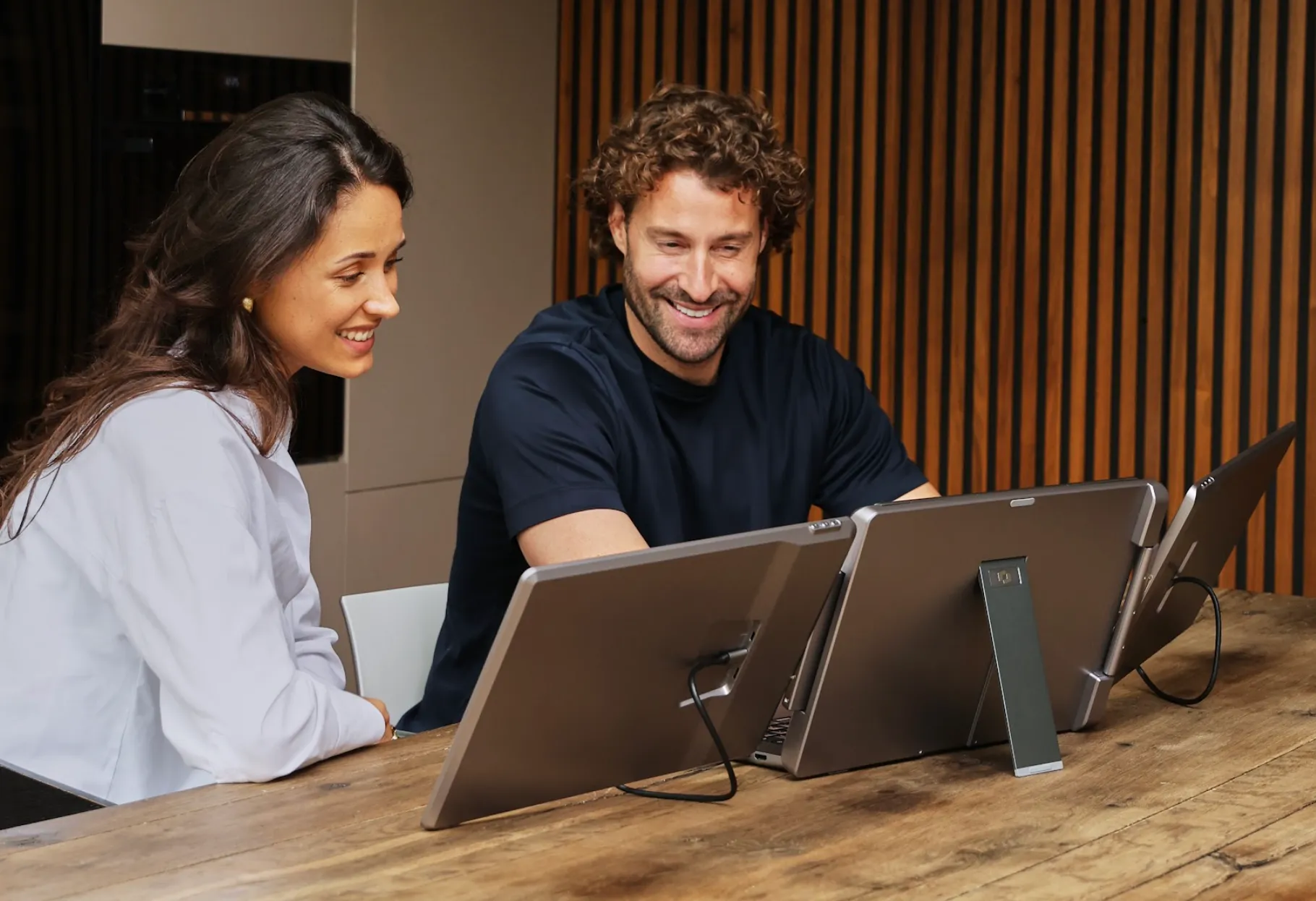

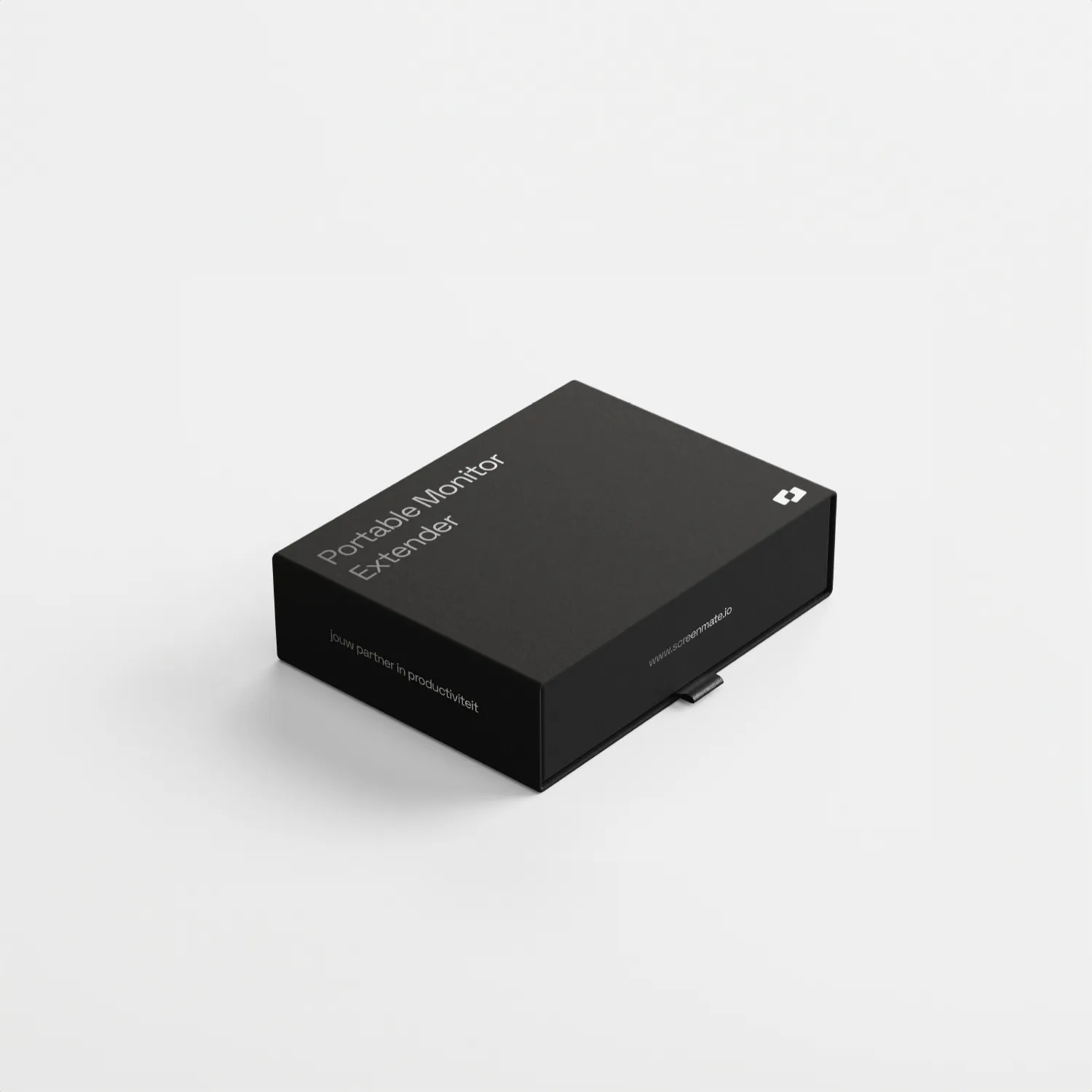
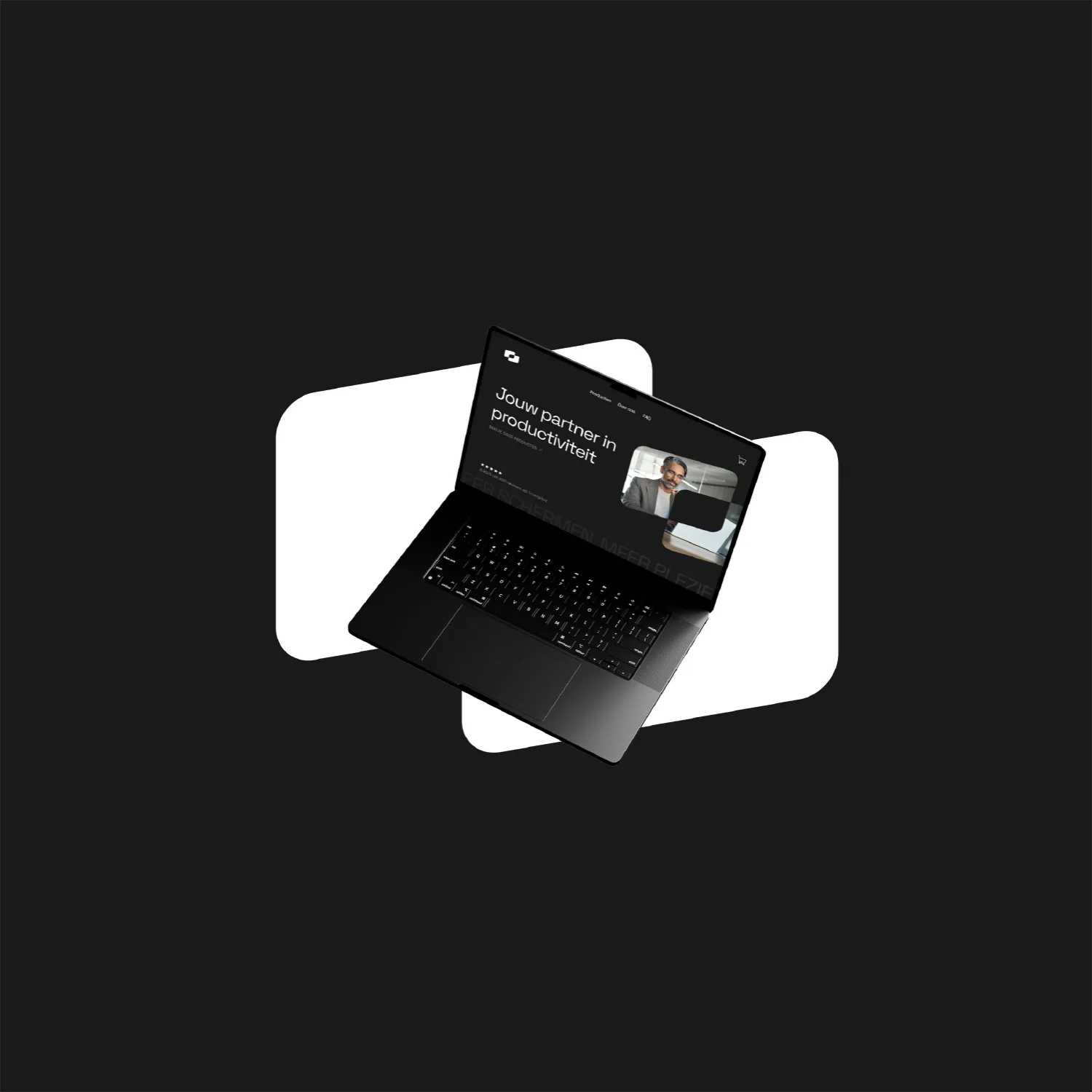
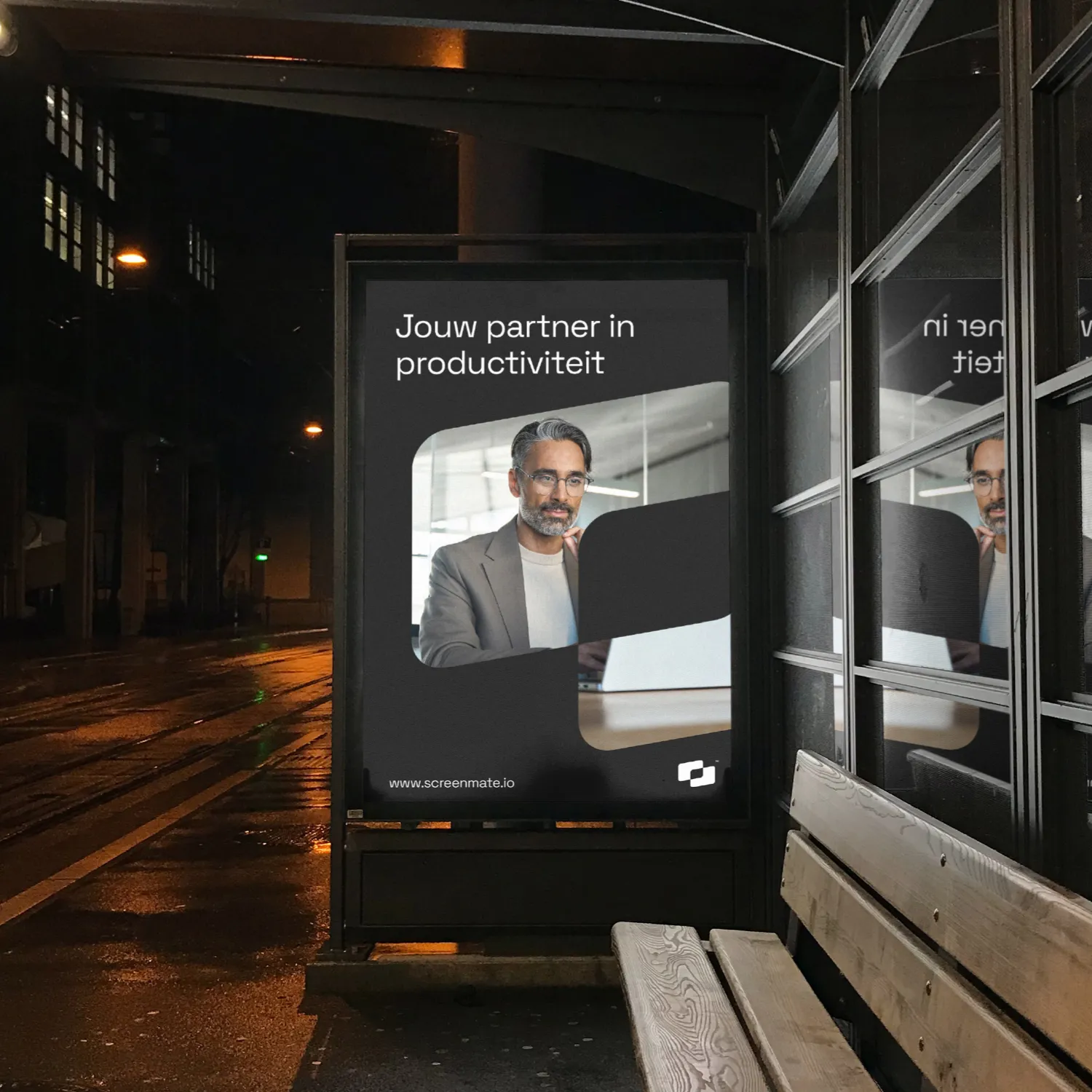
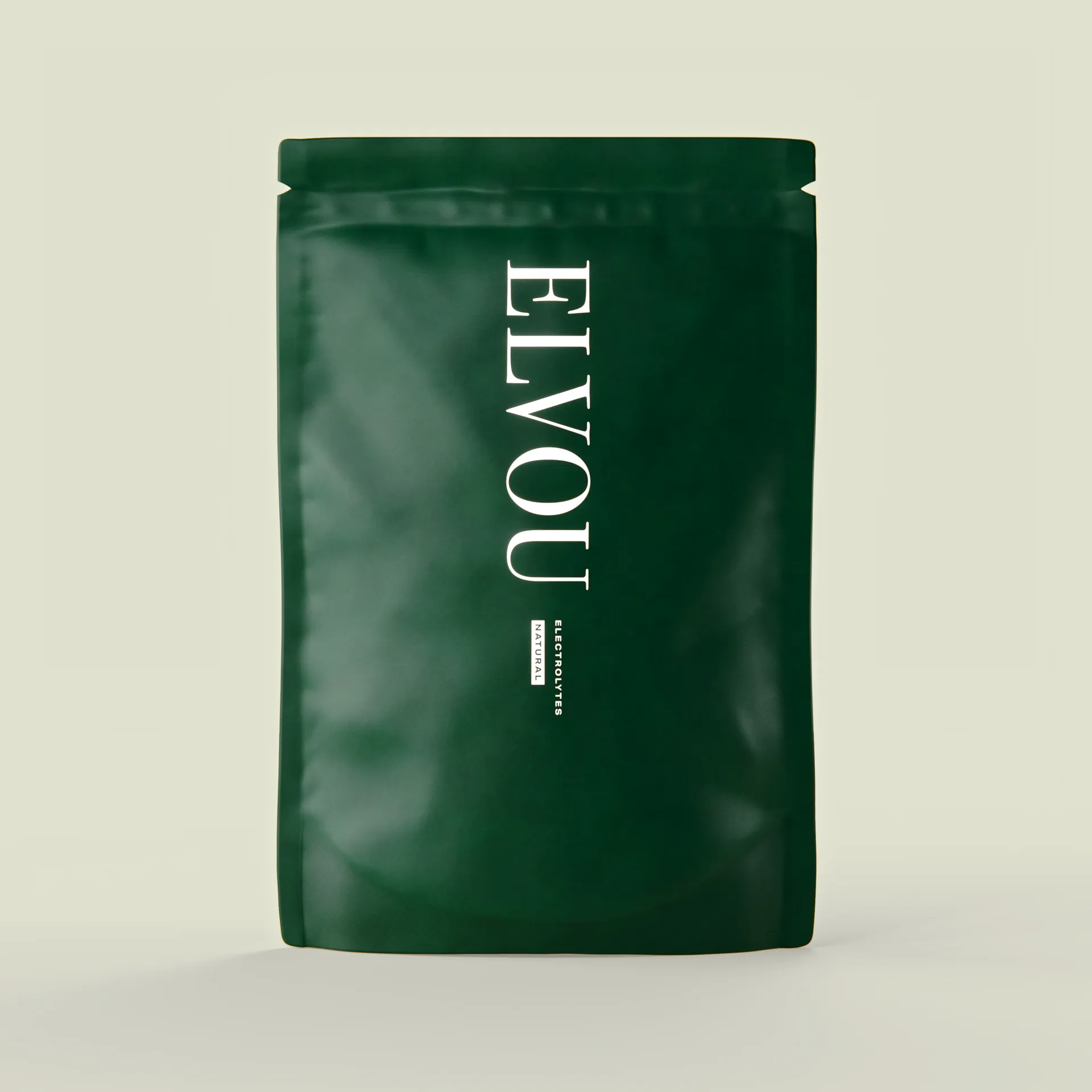
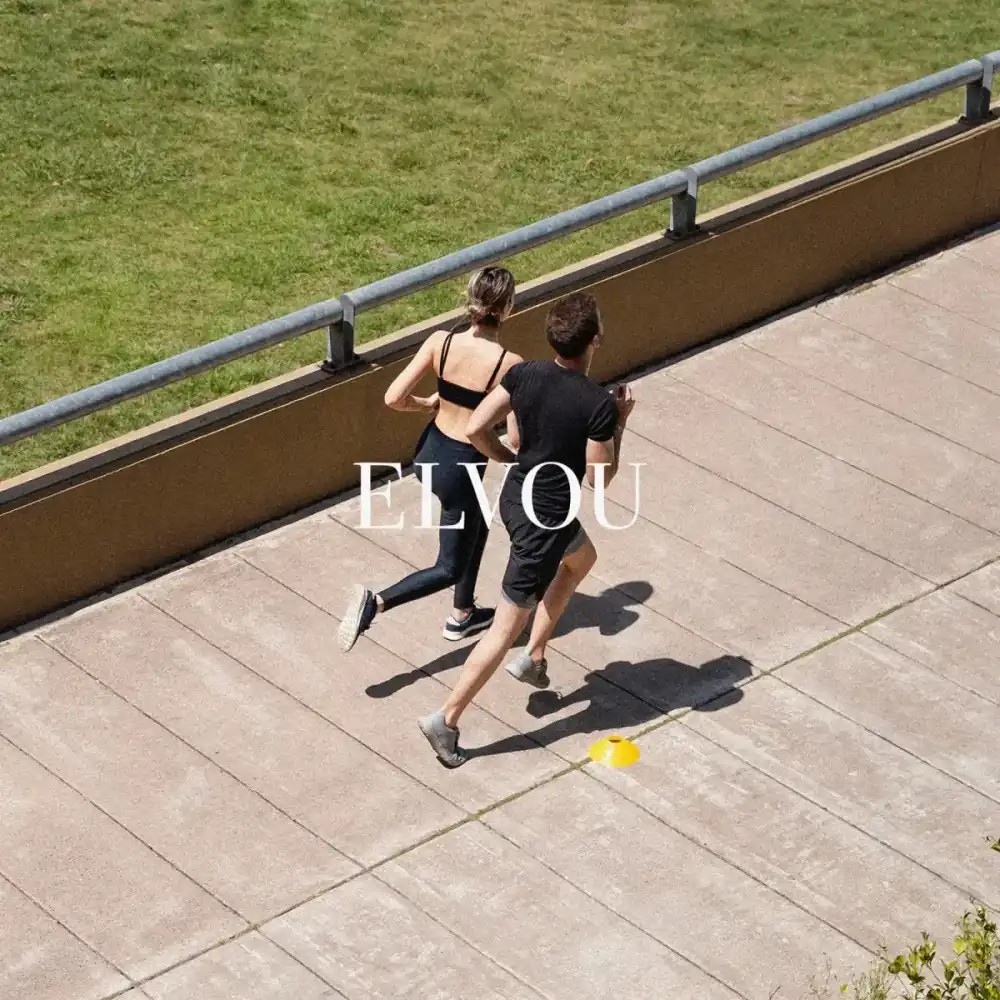
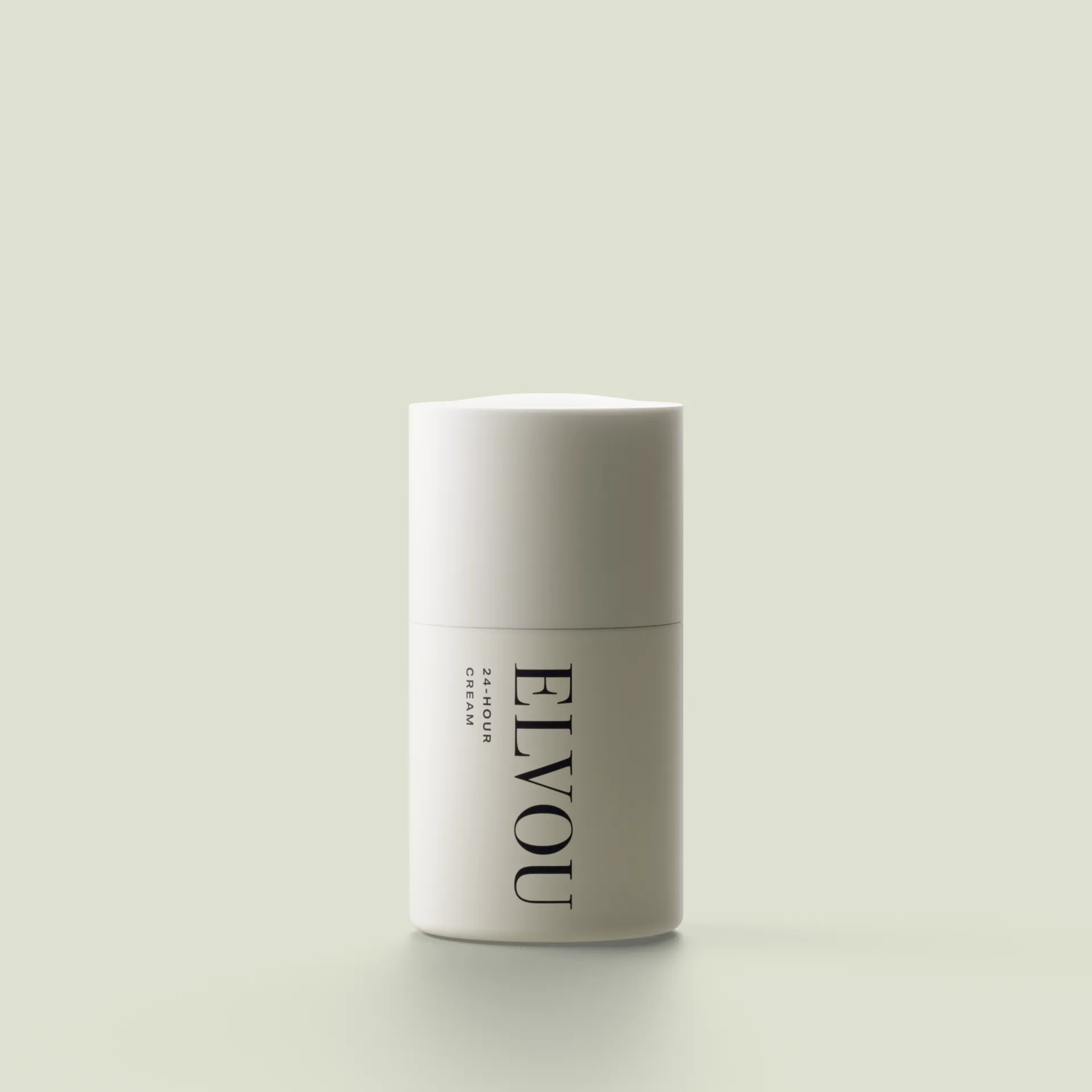
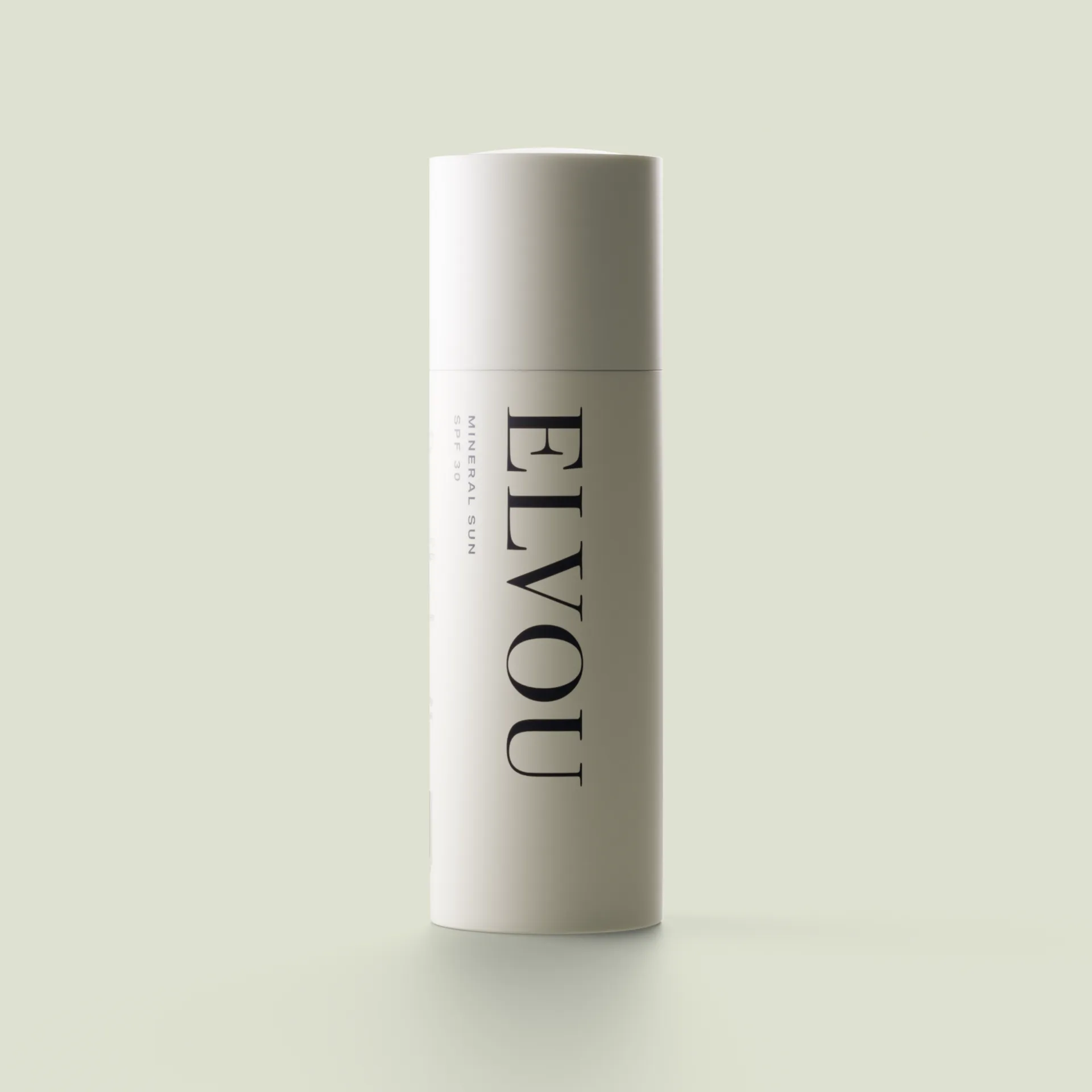
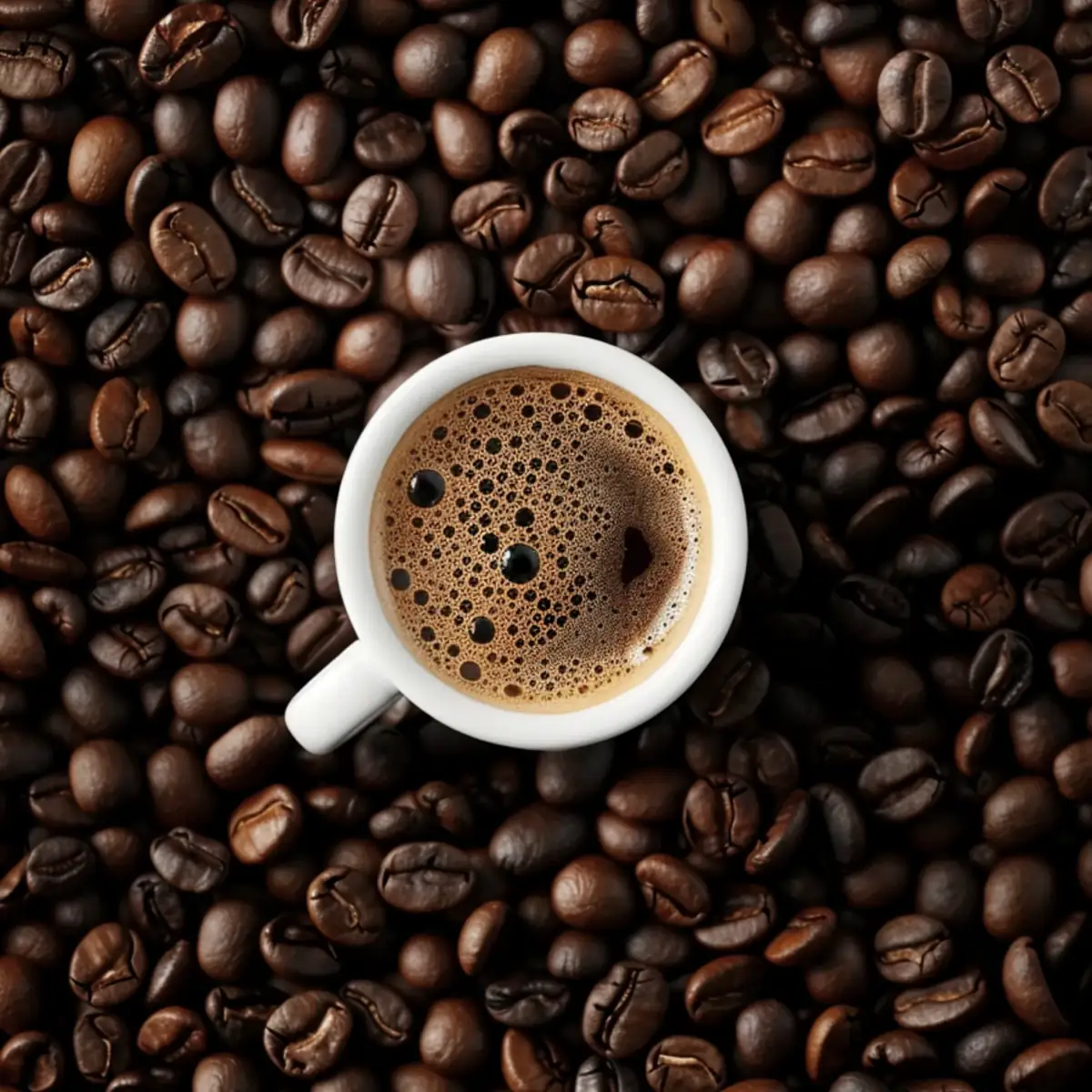
A product photo costs you money before the product exists. You pay for a sample, a photographer, a styling day and a retoucher. Change the color or packaging and you start over. For brands launching daily variants on Bol.com and Amazon that's unsustainable. 3D modeling solves it: model once, render infinite variations.
For ELVOU we built the entire range in 3D. Every new variant, whether that is a different colour, print or size, is a button click. No reshoot, no separate styling. It saves significantly versus traditional photography once you're past the first few variants. And it scales without quality loss because every render comes out of the same model with the same lighting.
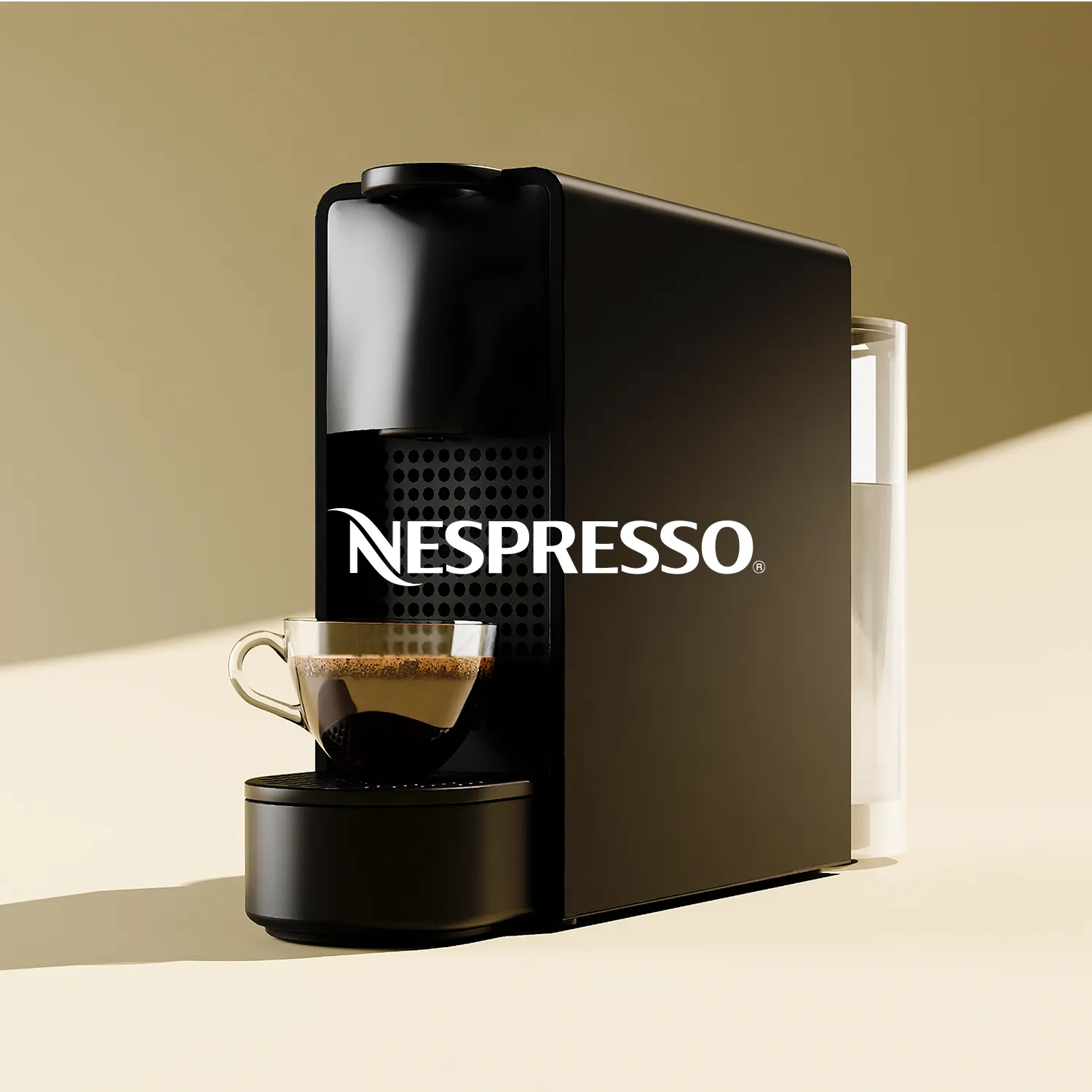
The other reason to choose 3D: the product doesn't exist yet. For Nespresso we rendered marketing assets before the first batch left production. You can prepare listings, ads and packaging while the factory is still running. That cuts time-to-market by weeks.
In 3D you control every parameter. Camera angle, lens focal length, lighting per surface, background color, shadows: everything is a slider. With a 3D render you can float a product above a surface without a stylist spending an hour fiddling with invisible wire. You can show a cross-section that would destroy the product in real life. You can film the inside.
For product pages on Bol.com and Amazon that drives conversion. Product pages with 360° renders convert better than static photos. For Screenmate we built a 360° configurator per product variant: the visitor rotates the product, picks a color, clicks a feature for a marked close-up. That kind of interactivity simply isn't possible with photography.
Finally, 3D works for AR. Apple's USDZ format and Google's GLB support 3D models directly in the browser and on iPhone. A customer can place your product on their actual coffee table before buying. That reduces returns in product categories where size and color are sensitive. For brands processing returns at scale that's a direct profit driver.
We use Blender and Cinema4D, two industry standards the whole field runs on. No exotic tooling that's dead in two years. The process starts with a brief: product specs, technical drawings or CAD files where available, reference images and a scope. What needs to be rendered, in which angles, for which platforms.
Then we build the base model. For a simple product (a bottle, a box, a garment) that's 1-2 working days. For more complex products with moving parts or fine detail (electronics, multi-material packaging) 3-5 days. Then comes texturing: matching the surface to reality: glossy plastic, matte metal, transparent glass, soft textile. This is where amateurs trip up and professionals make the difference.
Renders follow in batches. Per product we deliver 5-7 angles plus optionally a 360° animation or short product video. Formats: PNG for web, TIFF for print, MP4 for video, GLTF/USDZ for AR. Everything in 4K or higher. Turnaround for a complete product set: 5-10 working days. Rush possible by arrangement.
Photography wins when context matters more than product detail. A lifestyle shoot with a model using the product in a real environment. That stays the camera's territory. People, emotions, surroundings: photography is faster, cheaper and more authentic there.
3D wins as soon as you need infinite variants, the product doesn't exist, you want interactivity on your product page, or you need AR. For packshots on Bol.com and Amazon 3D is now the standard among brands serious about it. Costs amortize within 6-12 months once your portfolio passes 20 SKUs.
At Oase Creative we look case-by-case for the best mix. Sometimes we shoot the hero photographically and render all variants in 3D. Sometimes it's 100% 3D. Our advice is neutral, because there's no incentive on our side. What counts is what moves your conversion and margin forward.
What 3D product visualization includes
High-resolution photorealistic renders
Renders that look like photographs, at a resolution large enough for web and print.
Multiple angles and colour variations
Every angle and every colour from the same model, without a new photoshoot.
Lifestyle scene integration
Your product in a setting where it is used, even before a physical sample exists.
Web and print-ready files
Files in the formats your store and your printer need, ready to use.
3D model files for future use
You also get the model itself, so you can reuse it later for new images or an animation.
How a 3D product render is made
Briefing
Collect product specifications, reference images and vision.
Modeling
Build detailed 3D models based on specifications for 3D product visualization.
Texturing & materials
Apply realistic materials and finishes for photorealistic product renders.
Lighting & rendering
Set professional lighting and produce high-quality renders.
Delivery
Refine renders and prepare files for web and print.
When to choose 3D over photography
Goes with this
- 3D animationAnimation built on your 3D model, for product pages, listings and socials.
- PackagingPackaging design that carries your brand to the box. First physical impression, fully on-brand.
- Product PhotographyProduct photography on a white background, packshots, detail and mood. Consistent per collection.
- Everything in DesignThe form that goes with it. Identity, packaging, web design and 3D built to last.
 Louie ValkhofI read every message personally.
Which product do you want in 3D?
Tell us what you need the models for: your web shop, a presentation or production. We will make a proposal.
